Bhutan is consistently rated among the safer countries in Asia for travellers — crime against tourists is rare. Most of the practical concerns for visitors are about altitude, weather and preparation rather than personal safety.
Altitude
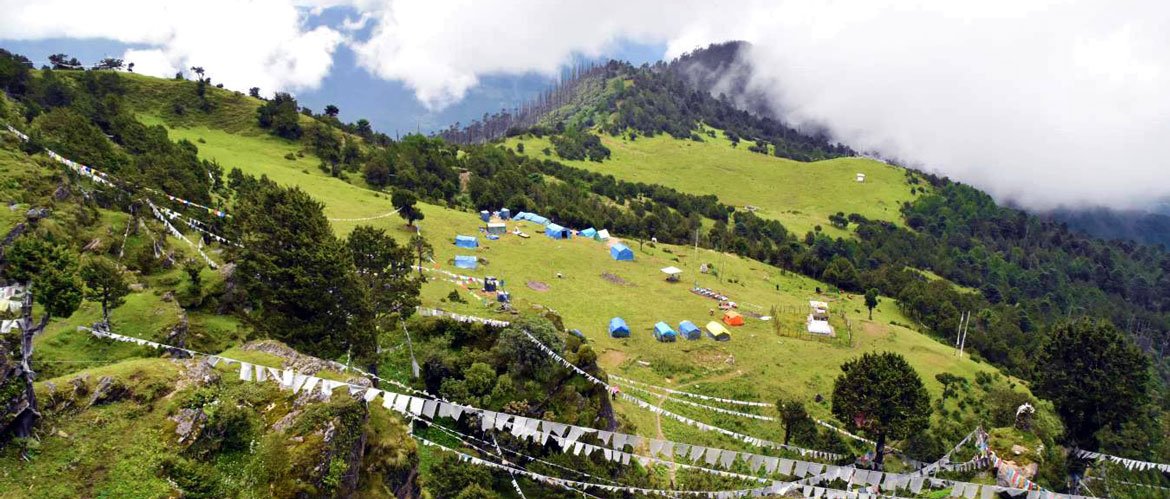
Many popular destinations (Paro, Thimphu, Bumthang) sit above 2,200m, and trekking routes go considerably higher. Mild altitude effects (headache, breathlessness on exertion) are common in the first day or two — stay hydrated, pace yourself, and tell your guide if you feel unwell.
Health & medical care
No mandatory vaccinations currently apply for entry, but routine travel-health precautions are sensible, and travel insurance covering medical evacuation is strongly recommended, particularly for trekking itineraries — larger towns have hospitals, but rural medical facilities are limited.
What to pack
- Layered clothing — even warm-season days can turn cool at altitude by evening.
- Comfortable, broken-in walking shoes, even for a non-trekking cultural trip (Tiger's Nest alone justifies this).
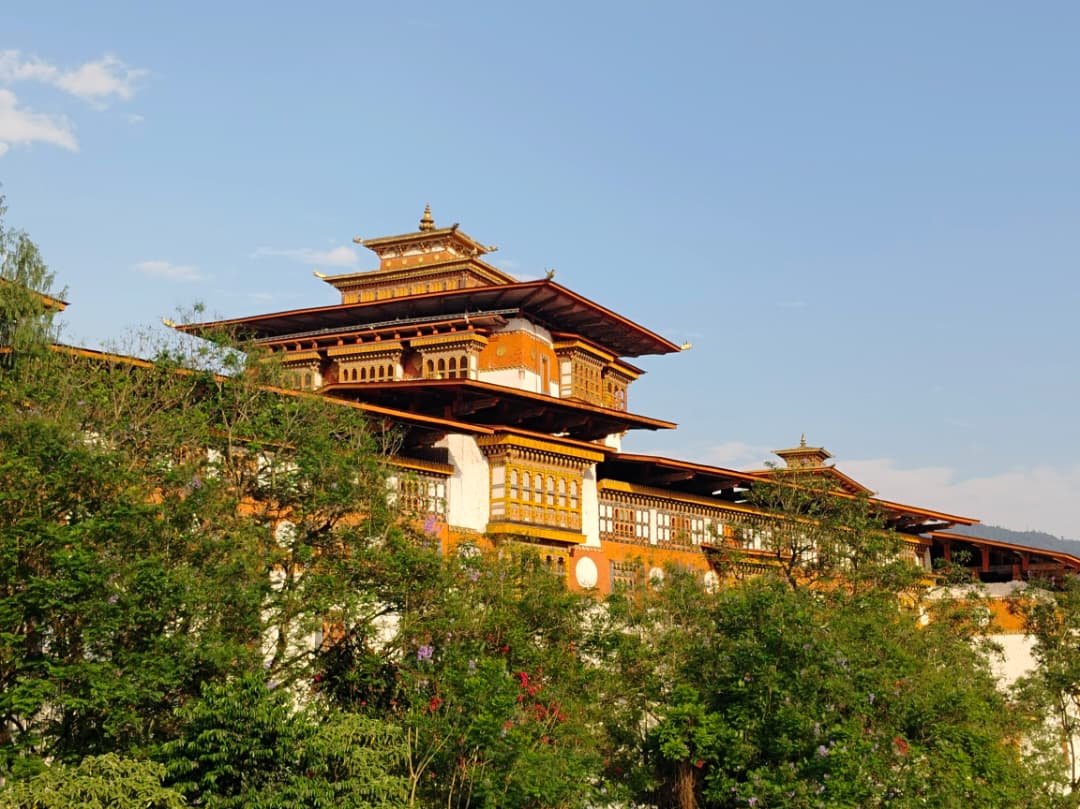
- Modest clothing for temple and dzong visits — shoulders and knees covered.
- Sunscreen and sunglasses — UV is stronger at altitude.
- A basic personal first-aid kit and any personal medication (pharmacies are limited outside major towns).
Connectivity
Mobile coverage and Wi-Fi are reasonably good in Thimphu and Paro, and available in most towns, but can be patchy or absent in remote valleys and on treks. A local SIM (arranged on arrival) or an international roaming plan both work; don't plan on constant connectivity outside the main towns.
Etiquette reminders
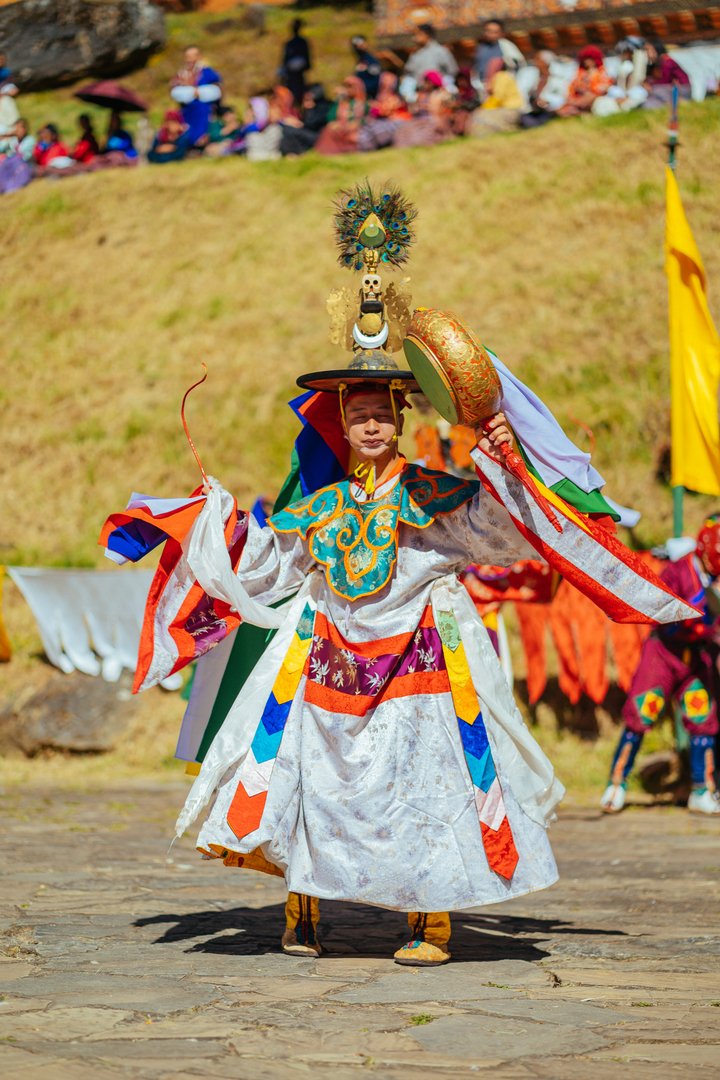
See our Bhutan culture page for dress codes and temple etiquette — following local customs is genuinely appreciated and goes a long way with guides and hosts.