Bhutan is a small Himalayan kingdom wedged between India and China (Tibet), roughly the size of Switzerland, with a population of under a million people. It is the only country in the world that measures its progress by Gross National Happiness rather than GDP alone — a policy framework that weighs cultural preservation, environmental conservation and good governance alongside economic growth.
Bhutan never colonised and was never colonised. It opened to international tourism only in 1974, and to this day keeps visitor numbers deliberately limited through its Sustainable Development Fee — a conscious choice for "high value, low impact" tourism over mass tourism.
A few defining facts
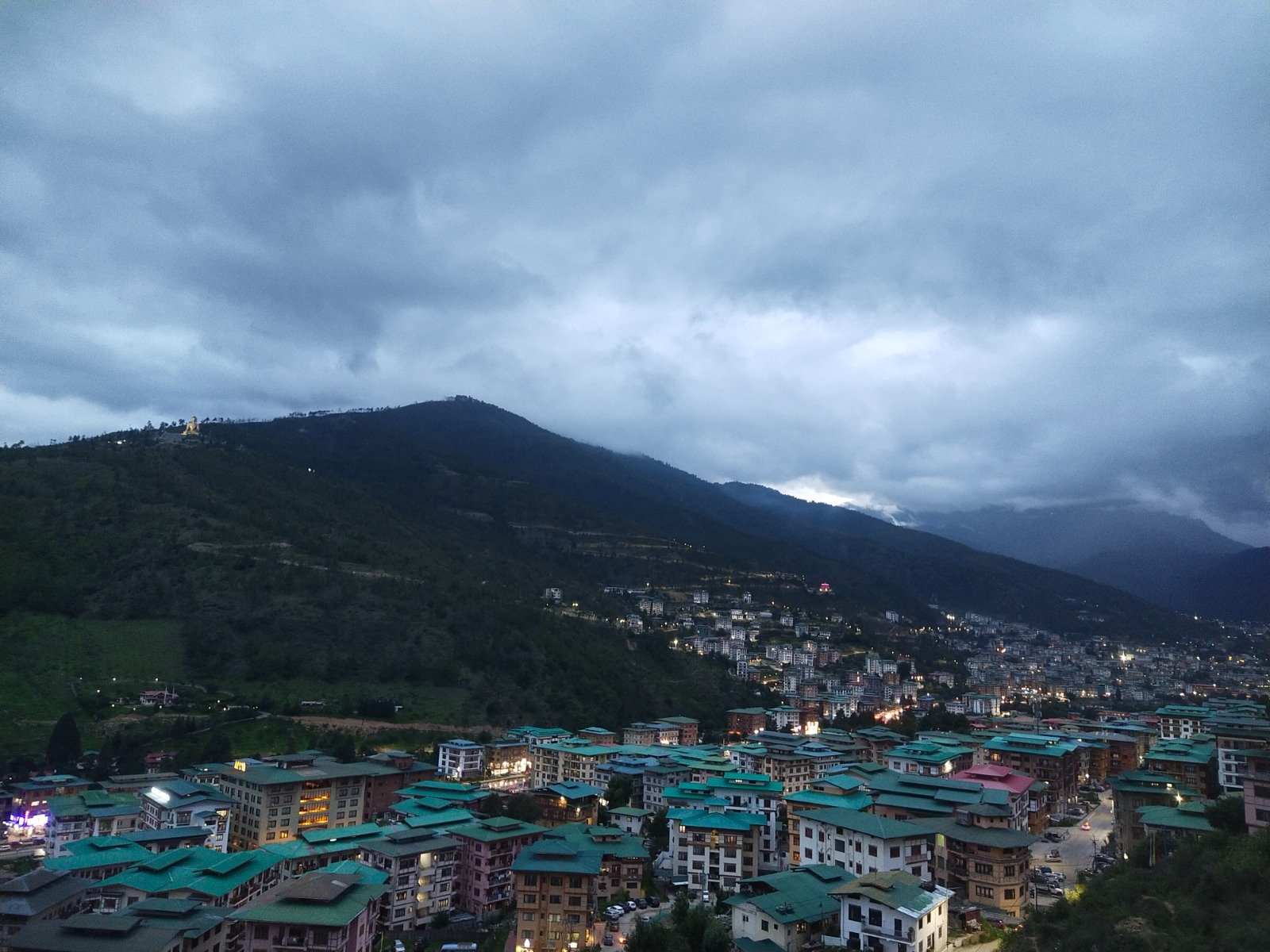
- Capital: Thimphu — one of the only capital cities in the world without a single traffic light.
- Official language: Dzongkha, though English is widely spoken and is the medium of instruction in schools.
- Religion: Vajrayana Buddhism, which shapes daily life, architecture and festivals across the country.
- Constitutional monarchy since 2008, ruled by the Wangchuck dynasty since 1907.
- Bhutan is carbon-negative — its forests absorb more CO₂ than the country emits, a status protected by its constitution which mandates at least 60% forest cover for all time.
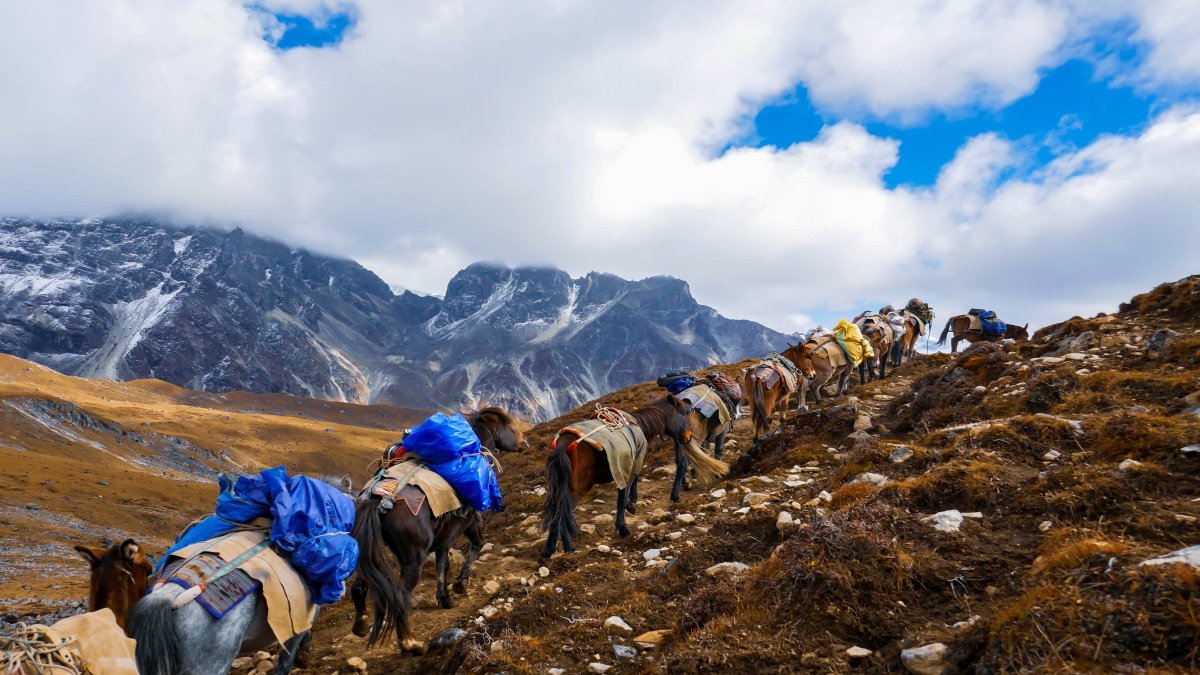
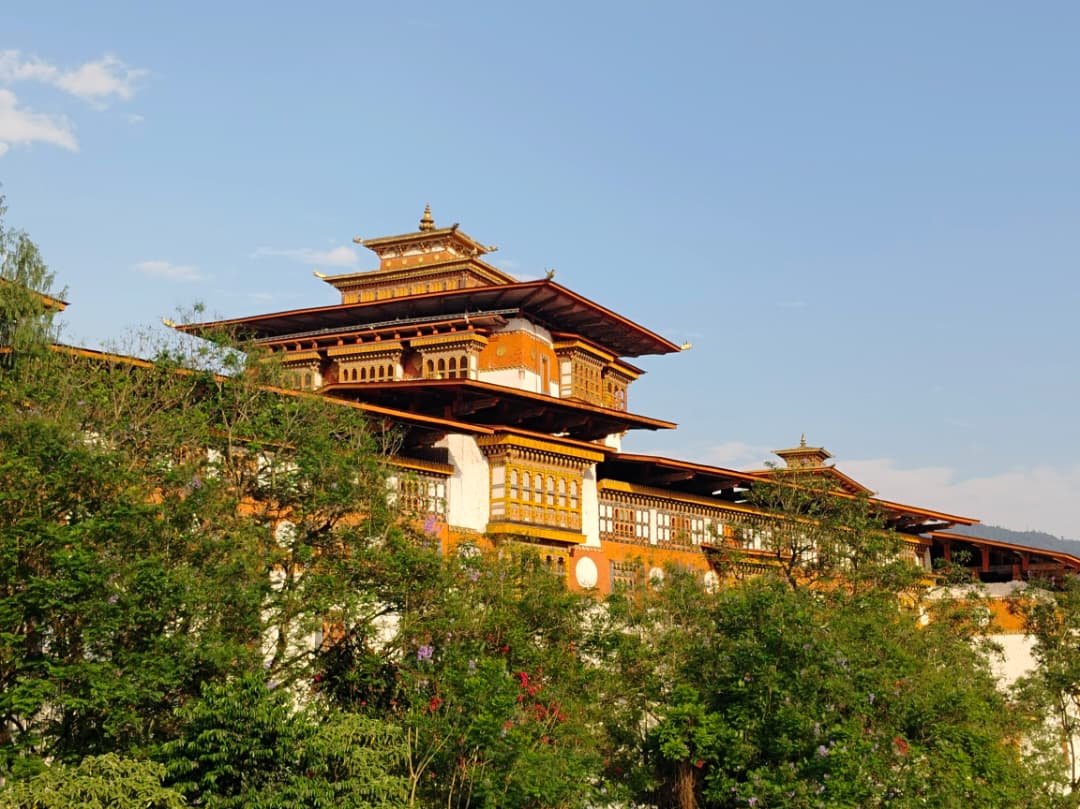
For most travellers, Bhutan means fortress-monasteries (dzongs) perched on cliffs, prayer flags strung across mountain passes, and valleys that still run on a slower, more deliberate rhythm than the rest of the region. See why travellers visit Bhutan or jump straight to how to book a trip.