Bhutan rewards travellers who want something more than a checklist of sights. Here's what stands out:
Living culture, not a museum
Dzongs (fortress-monasteries) are still active seats of government and monastic bodies, not preserved relics. Locals wear the national dress — gho for men, kira for women — as everyday clothing, particularly for work and formal occasions, not as a tourist performance.
Landscapes that go from subtropical to alpine
Within a single trip you can move from the subtropical lowlands near Phuentsholing to the high alpine passes near Bhutan's Himalayan peaks, with temperate pine and rhododendron forest in between.
A tourism model designed around scarcity, not scale
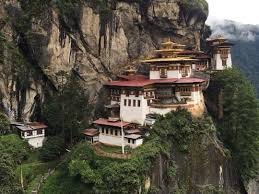
The Sustainable Development Fee keeps visitor volumes intentionally low relative to neighbouring countries. That means fewer crowds at major sites like Paro Taktsang (Tiger's Nest) compared to equivalent attractions elsewhere in Asia.
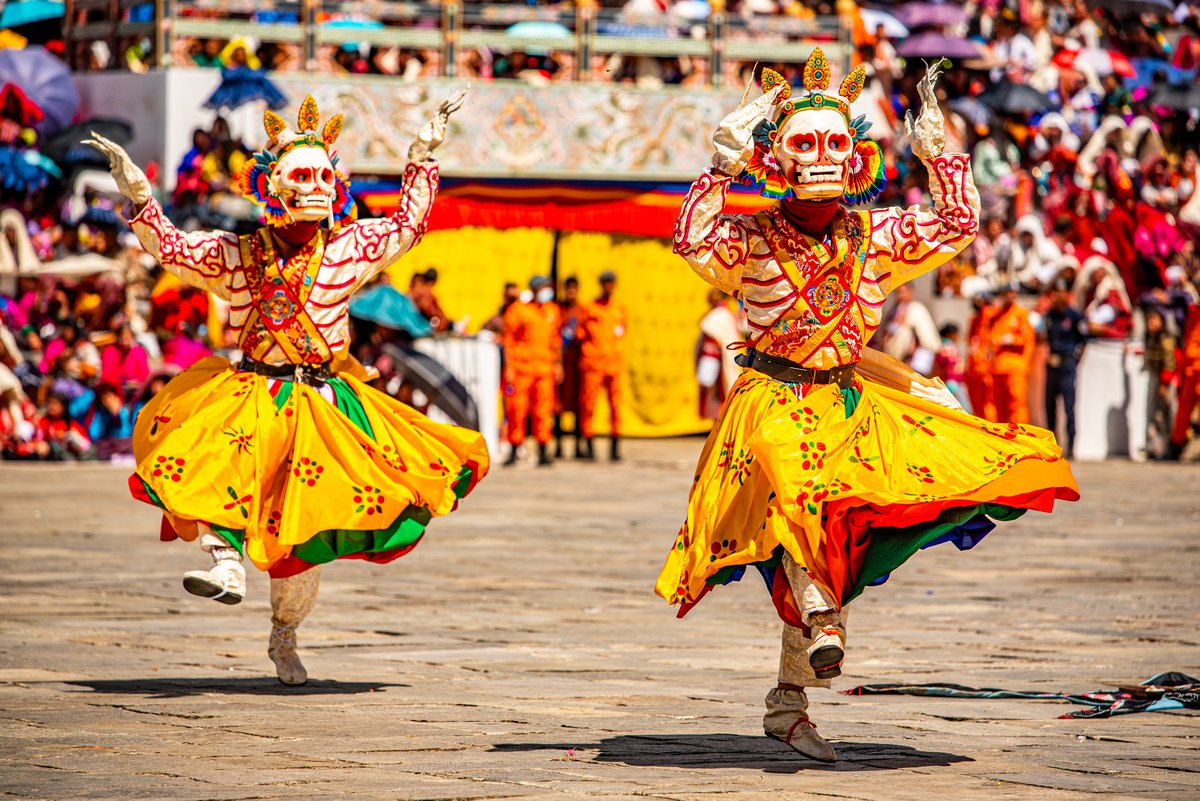
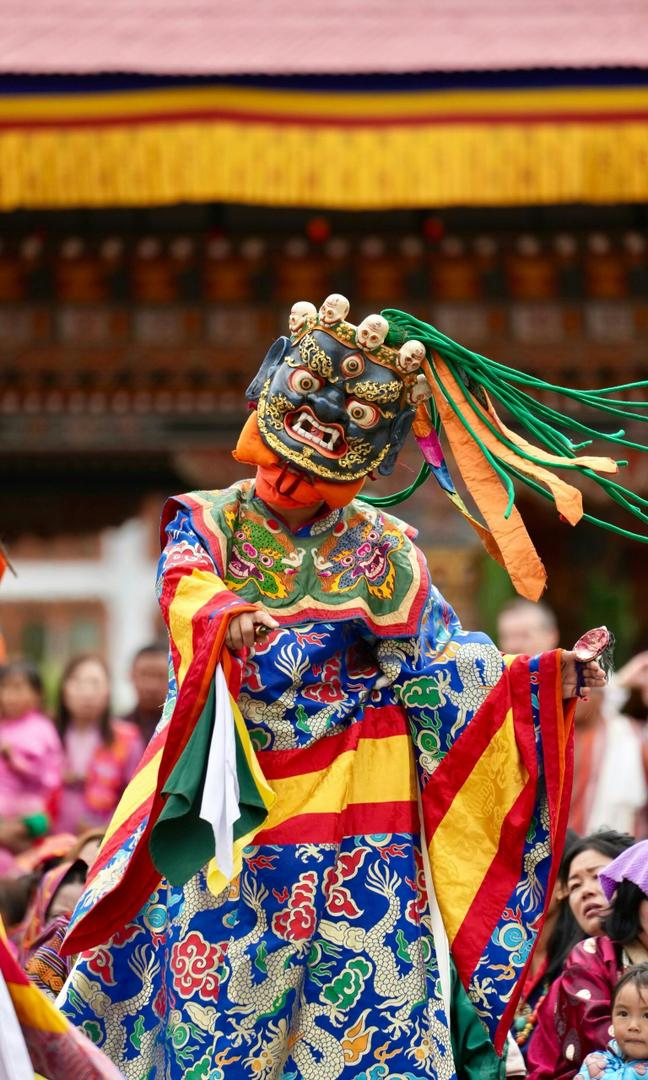
Festivals (Tshechus)
Bhutan's masked-dance festivals, held at dzongs and monasteries throughout the year, are genuine community and religious events — see our festival guide for timing.
Trekking without the crowds
Routes like the Druk Path or the multi-week Snowman Trek offer Himalayan trekking with a fraction of the foot traffic of Nepal's most popular trails. See trekking in Bhutan.
Ready to see what's actually available? Browse Bhutan tour packages.