


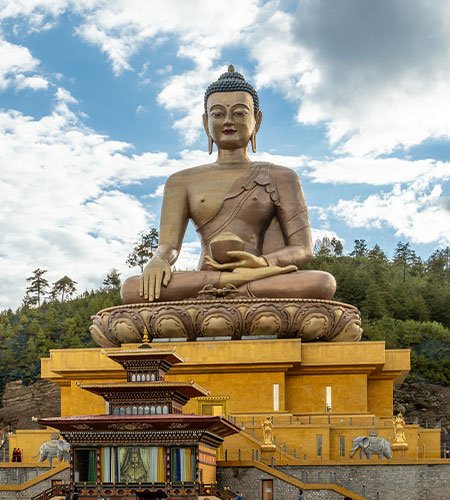
Bhutan's Tshechu Festivals: A Traveller's Planning Guide
If you want your Bhutan trip to feel less like a scenic drive and more like a window into how Bhutanese communities actually gather, worship, and celebrate, timing your visit around a tshechu is the single best thing you can do. A tshechu is a religious festival held at a dzong (fortress-monastery) or monastery, featuring masked dances called cham, performed by monks and lay dancers to commemorate Guru Rinpoche, the saint credited with bringing Buddhism to Bhutan. For visitors, it means courtyards full of color, families in their finest kira and gho, and a rare chance to see Bhutanese communal life up close.
The tricky part is that tshechus don't fall on fixed Gregorian dates. They follow the Bhutanese lunar calendar, which shifts relative to the Western calendar each year, and occasionally a leap month changes things further. A festival that fell in October one year might fall in September or November another. Because of this, we won't guess exact dates here — always confirm the current year's schedule with your tour operator before booking flights, since dates are usually only confirmed a year or so in advance.
Tshechus worth building a trip around
- Paro Tshechu — held at Paro Dzong, typically in spring, and one of the most popular with visitors. It closes with the dawn unveiling of a giant embroidered thongdrel (a sacred scroll painting), an event that draws large crowds hours before sunrise.
- Thimphu Tshechu — the capital's festival, usually in autumn, and generally the largest in terms of attendance since it's accessible to residents from across the country. Expect the biggest crowds and the most elaborate dance program of any tshechu.
- Punakha Drubchen and Punakha Tshechu — held back-to-back in the Punakha valley, often in winter or early spring. The Drubchen includes a dramatic reenactment of a 17th-century battle, with mock warriors in historical dress — distinct from the usual cham dances.
- Jambay Lhakhang Drup — in the Bumthang valley, one of the oldest and most atmospheric festivals, known for a night-time fire ritual (mewang) and a pre-dawn naked dance (tercham) performed as a blessing for fertility. It's a more rural, less touristed setting than Paro or Thimphu.
- Trongsa, Wangdue, and smaller regional tshechus — less visited by foreigners, these offer a more local, unfiltered experience if your dates and itinerary allow for central Bhutan.
What to actually expect on the day
Tshechus run over several days, with specific dances scheduled each morning and afternoon — your operator or a printed program at the dzong will show what's happening when. Arrive early for a good vantage point, especially for the thongdrel unveiling, which draws the largest crowds of the entire festival. Dress modestly (shoulders and knees covered), and follow the lead of local families regarding where to sit or stand — certain areas are reserved for monks, officials, or residents. Photography is usually allowed in the courtyard but may be restricted during specific sacred dances, so watch for cues from guides or dzong officials.
Planning around a tshechu
Festival weeks are the busiest and most sought-after time to visit Bhutan — hotel rooms in Paro and Thimphu in particular fill up well ahead of the dates, and prices for accommodation and transport tend to rise. If a specific tshechu is the anchor of your trip, it's worth starting planning several months out rather than a few weeks before.
This is really where having a knowledgeable local operator matters more than for a standard sightseeing itinerary — they'll know the confirmed dates for the year, which dzong courtyards get overcrowded, and how to combine a tshechu with a quieter add-on like the Punakha valley or a Haa hike so your days aren't all spent in one crowded square.
Host Your Tour connects travellers with licensed Bhutanese tour operators and hoteliers who track these annually confirmed festival dates and can build an itinerary around them — we don't process the booking ourselves, but we'll point you to operators who do this regularly and can tell you, with certainty, what's happening on the ground the week you plan to travel.
Continue exploring
Ready to plan your trip? Browse Bhutan tour packages or send us an enquiry.
Guest reviews
No comments yet. Be the first to comment!
Leave a Reply
Your email address will not be published.